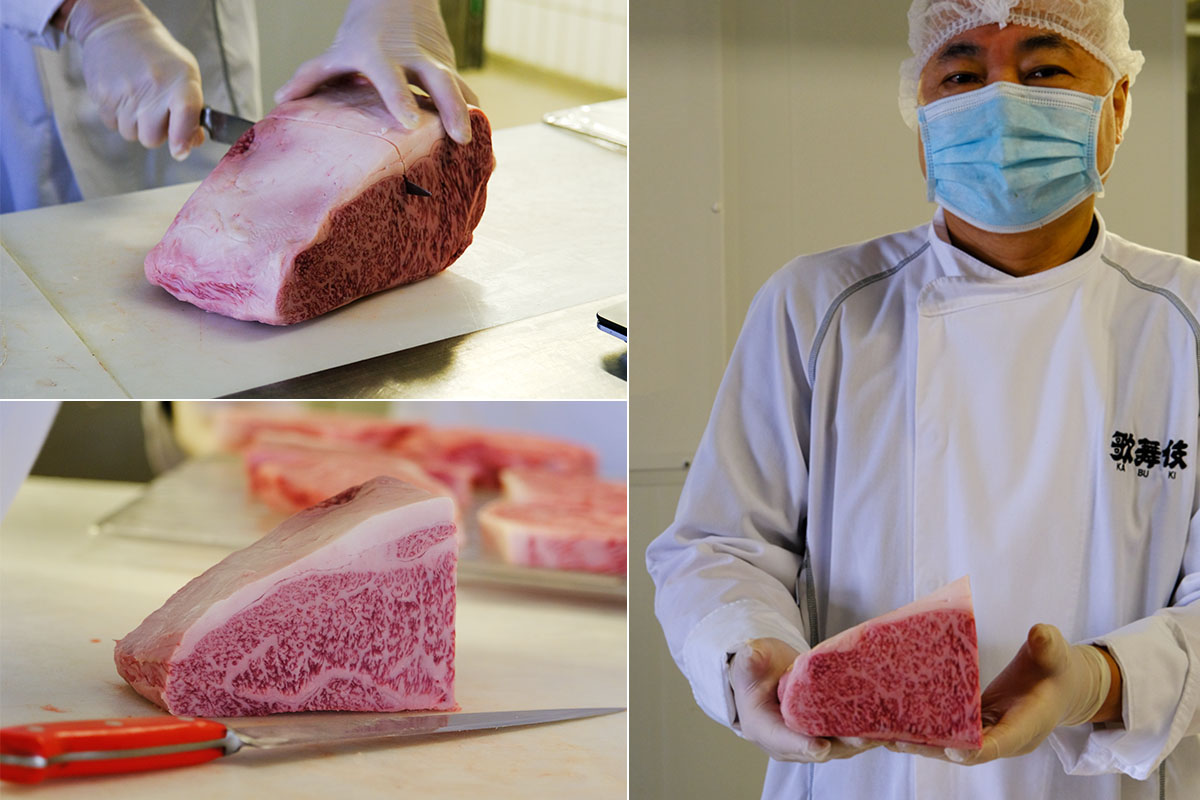
Thus, we not only make sure of unmatched quality, but also ensure that each product is at least 130 or 250 grams. After the cutting process, we place the cuts in the shock freezer appropriately and pack the portions in finger-thick cuts with vacuum.
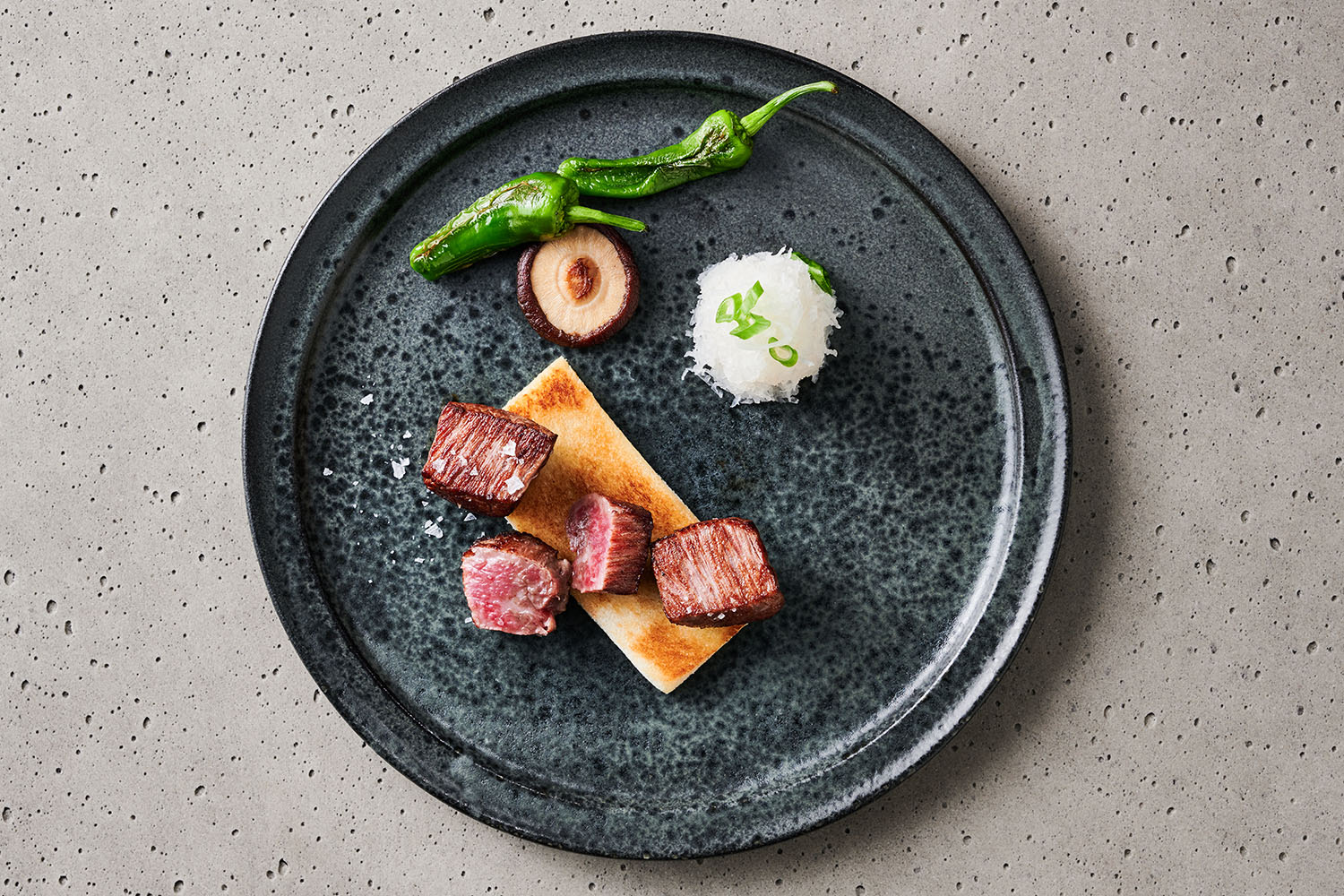
Best for an exceptionally satisfying pleasure, here is the chateaubiryan.
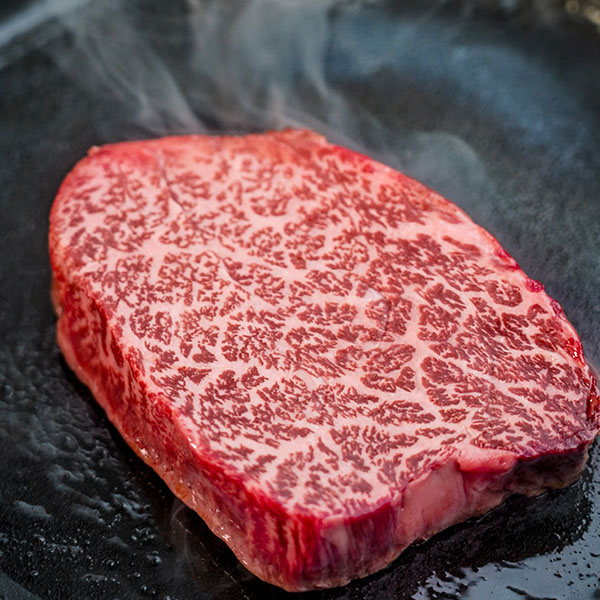
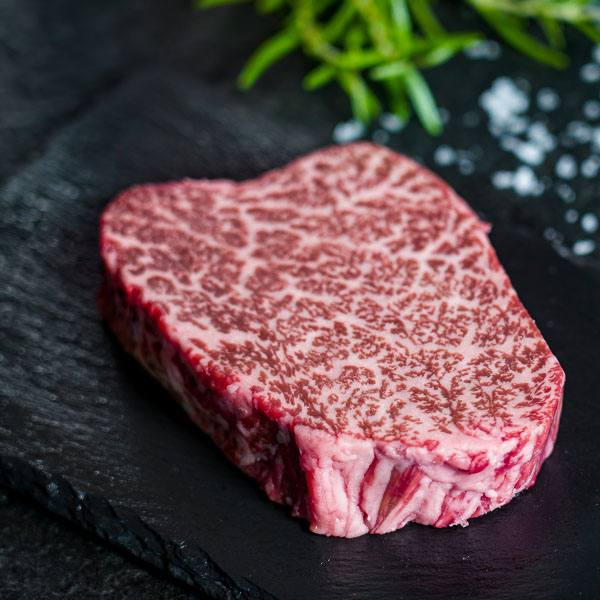
Shatobiryan is taken from the middle of the tenderloin and is one of the most special cuts of Wagyu meat. A light frying is all it takes to get its incredibly intense flavor. The flavor served in small slices melts and becomes like butter on the palate.
The cattle imported exclusively for the Imperial from the Miyazaki region of Japan are among the best in the world.
Weight: at least 120g
4,900.00₺
Out of stock
Japan's Miyazaki region is located at the southernmost point of the island of Kyushu. The shape of the region, which is quite mountainous, is formed by Aso Volcano, the most active volcano in the country.
Temperatures in the region can reach subtropical levels in summer. Thus, the Kyushu region and surrounding islands are excellently suited for growing many fruit and high-quality soybean products.
Regional soy products and the resulting purees are used as feed for Wagyu cattle. Considered the best in Japan, meat products are of A5 quality standard and are always of top quality.
The cuts selected for Imperial Wagyu received the grade of BMS 7 in line with the Japanese Meat Classification Criteria and in the context of marbling on meat.
1. Store the deep-frozen Wagyu in the refrigerator in a vacuum bag overnight. After 12 hours of thawing time, gently remove the meat from the vacuum bag and wrap it in cling film.
2. Make sure the Wagyu is out of the refrigerator for at least half an hour before you start preparing it. But be careful not to exceed half an hour. Because unique meat can show signs of melting at room temperature.
3. Use kitchen paper to get the broth from the steak.
4. Do not place the Wagyu directly over embers or over an open fire. Otherwise, the dense fat in the meat may suddenly burn.
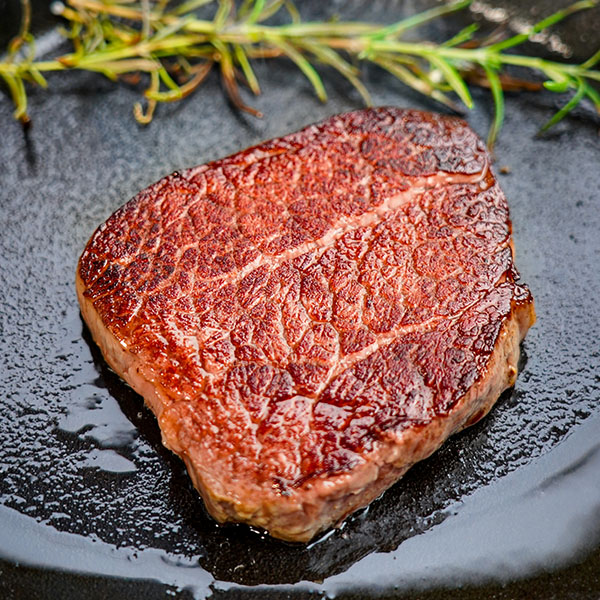
5. Ideally, prepare the Wagyu on a stainless steel plate (preferably a teppanyaki grill) or in a good cast iron skillet at 250 degrees.
6. Wagyu meat has a high fat content, so you don't need to add any additional fat.
7. With finger-thick cuts, Wagyu meat should be fried for about 2 to 2.5 times, until a light golden crust forms on each side.
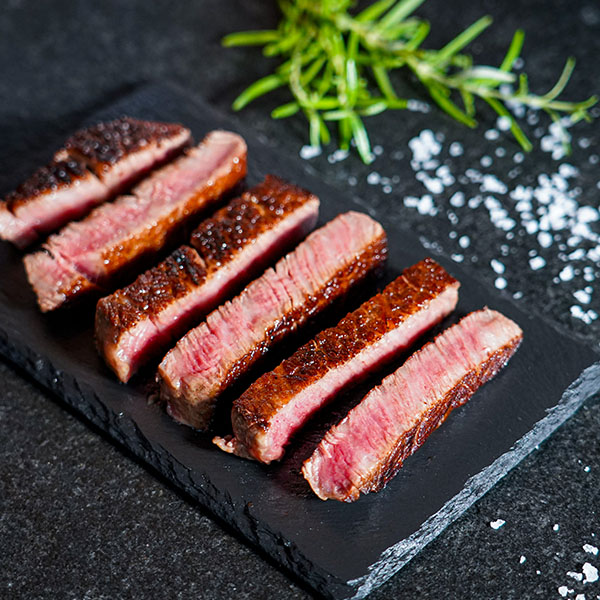
8. Cook Wagyu meat under indirect heating, such as an oven, to a core temperature of 140 degrees Celsius, 46-48 degrees for rare. (Applies only to thicker fillet mignon and chateaubiryan cuts.)
9. Let the Wagyu meat stand outside of the pan for 3-4 minutes.
10. Chop the meat into thin cuts and add a good seasoning and fleur de sel to it.
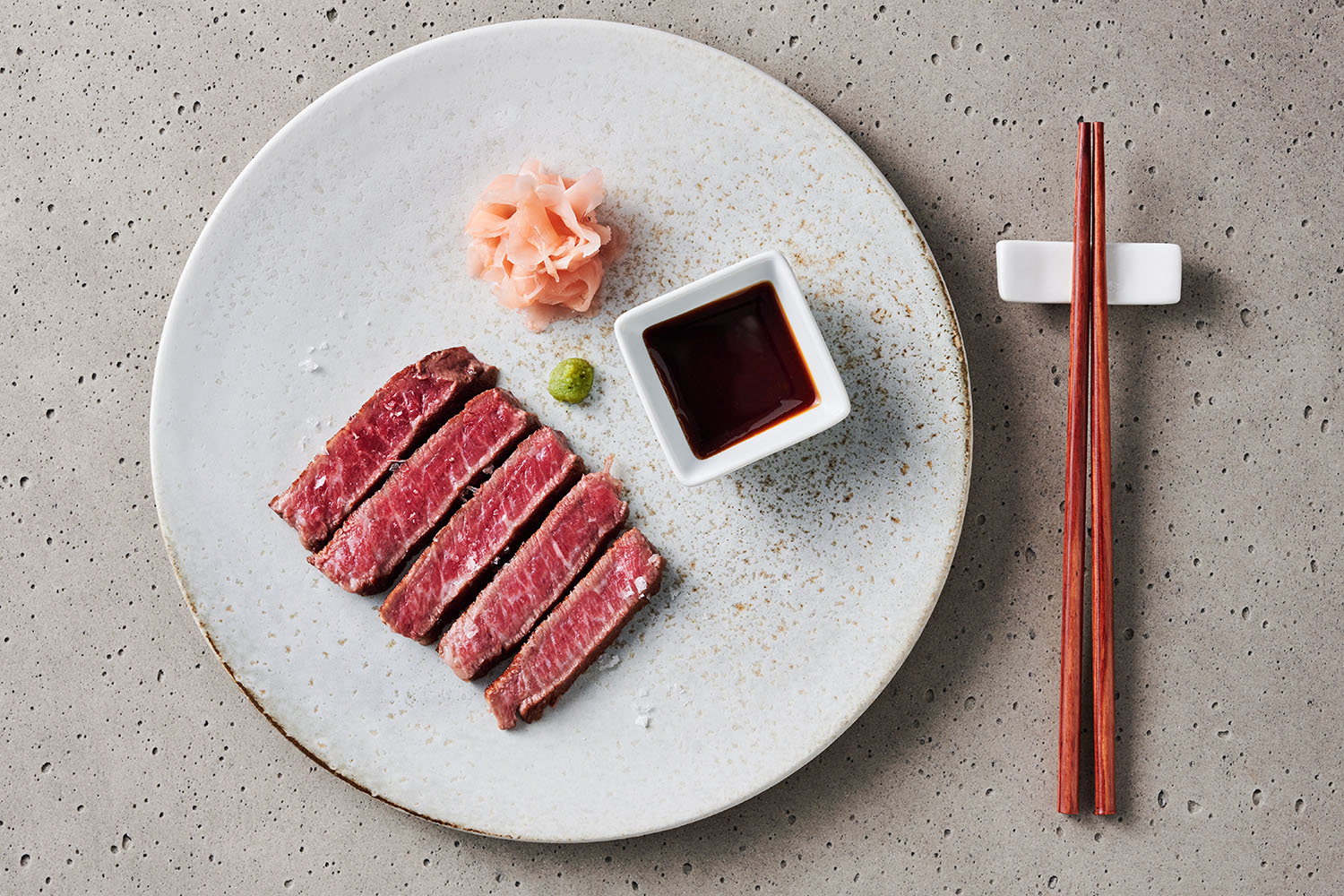
11. Serve the slices on a plate heated to 45-50 degrees to keep them warm longer.
12. As an alternative to salt, you can also add a few drops of ponzu or soy sauce, or you can add salt to a separate plate, as is done in Japan. So you can salt each piece separately.
No step should be left to chance in the preparation of such a superior quality product
Imperial Wagyu is grown in Miyazaki, Japan. The meat obtained here is then sent to Germany and preserved at the highest standards. The rest of the embroidery is carried out by Japanese master hands. Many cuts are tested in our main workshop for quality and weight.
Thus, we not only make sure of unmatched quality, but also ensure that each product is at least 130 or 250 grams. After the cutting process, we place the cuts in the shock freezer appropriately and pack the portions in finger-thick cuts with vacuum.